This tp link axe5400 review looks at the Archer AXE75, a tri-band Wi-Fi 6E router built around a dedicated 6 GHz band, capacity features for multiple devices, and VPN support.
It suits homes looking to add newer wireless capabilities, provided their devices can use the 6 GHz band.
Archer AXE75 Review Summary
The quick verdict
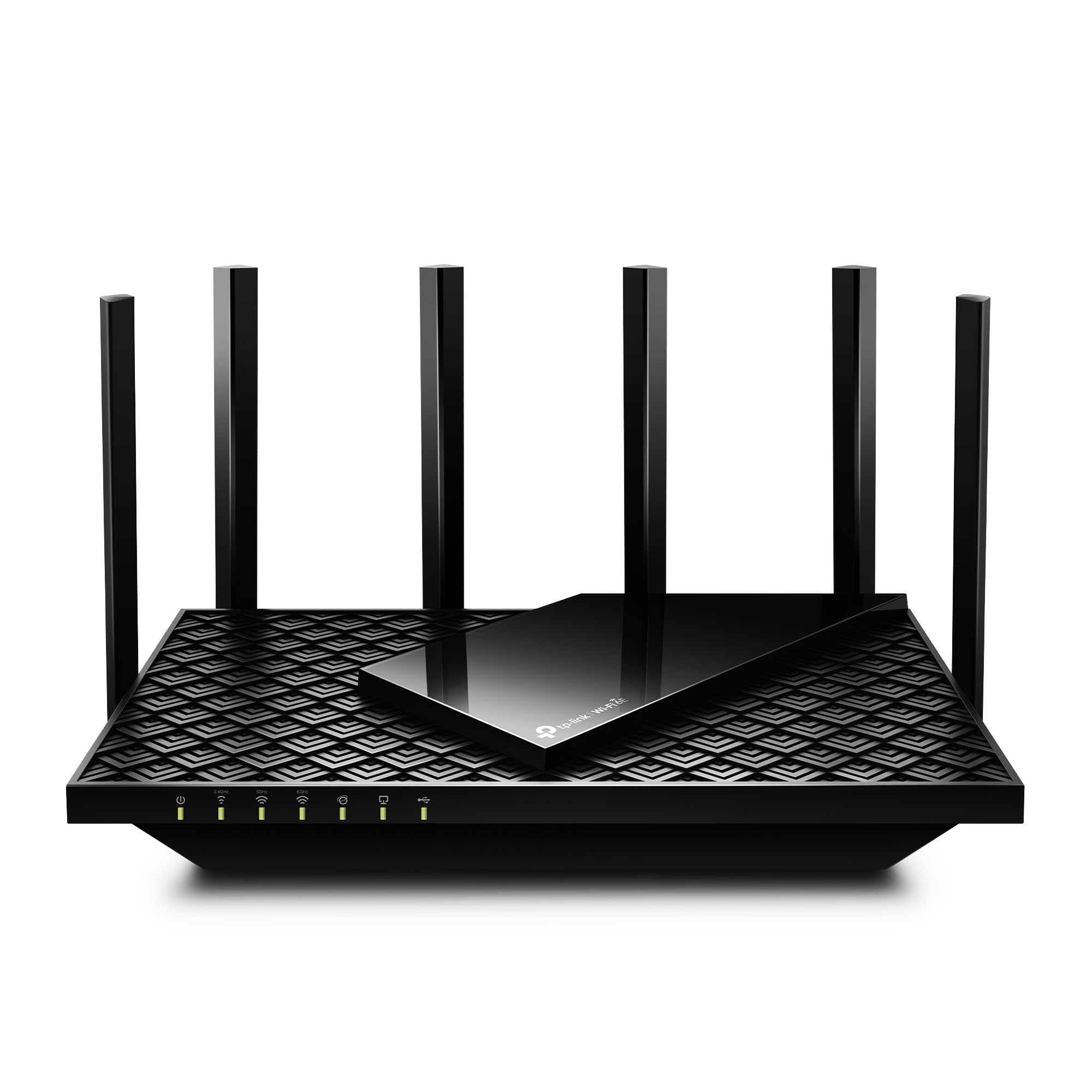
5,000+ ratings
Read Amazon ReviewsTP-Link Archer AXE75
A fit for households seeking tri-band Wi-Fi 6E, a dedicated 6 GHz band, VPN options, and expandable OneMesh coverage.
- Tri-band Wi-Fi 6E with up to 5400 Mbps combined maximum: up to 2402 Mbps on 6 GHz, 2402 Mbps on 5 GHz, and 574 Mbps on 2.4 GHz.
- A new 6 GHz band and 160 MHz channel support are intended to provide additional bandwidth for compatible devices.
- OFDMA and tri-band operation are designed to increase capacity for simultaneous device transmissions.
- A 1.0 GHz dual-core processor and 512 MB of high-speed memory support the router's networking functions.

Pros
- Three bands provide more options for separating traffic across newer and older devices.
- The dedicated 6 GHz band can be useful when household devices support Wi-Fi 6E.
Consider before buying
- The benefit of 6 GHz depends on having compatible Wi-Fi 6E devices; older devices cannot use that band.
- Whole-home expansion depends on adding a compatible OneMesh extender.
Read the full review summary
The Archer AXE75 spreads its stated wireless capacity across 6 GHz, 5 GHz, and 2.4 GHz bands, with a combined maximum of up to 5400 Mbps.
Its 6 GHz band and 160 MHz channel support are the main reasons to consider it: compatible devices may have access to additional bandwidth, while older devices can use the other bands.
The maximum is a combined theoretical figure, not a promise that an individual device or internet plan will reach that speed.
OFDMA is designed to help the router serve multiple devices simultaneously, and TP-Link pairs it with a 1.0 GHz dual-core CPU and 512 MB of memory.
OneMesh extender support offers a path to expand coverage, while VPN server and client functions and basic HomeShield features give the setup more flexibility.
This is a practical feature set for a connected home, though the description does not give coverage dimensions or wired-port details, so check those against your layout and equipment before buying.
The buying factors
Archer AXE75 Scorecard
Editorial scores reflect listed features and buyer fit; they are not laboratory measurements or customer ratings.
Wi-Fi 6E band options
Three bands include 6 GHz, with up to 2402 Mbps listed for both 6 GHz and 5 GHz and up to 574 Mbps for 2.4 GHz.
Multi-device capacity
Tri-band operation and OFDMA are designed to increase capacity and support simultaneous transmission to more devices.
VPN flexibility
Supports VPN client and server functions with OpenVPN, PPTP, and L2TP options.
Coverage expansion
OneMesh compatibility provides an extender-based route to whole-home coverage; expansion requires a compatible extender.
Network management and protection
Basic HomeShield features include a security scan, IoT device identification, parental controls, QoS, and usage reports.
Hardware detail
A dual-core 1.0 GHz CPU and 512 MB of memory are specified, but the description gives limited detail on wired connectivity.
Key Features and Specifications of Archer AXE75
- Tri-band Wi-Fi 6E with up to 5400 Mbps combined maximum: up to 2402 Mbps on 6 GHz, 2402 Mbps on 5 GHz, and 574 Mbps on 2.4 GHz.
- A new 6 GHz band and 160 MHz channel support are intended to provide additional bandwidth for compatible devices.
- OFDMA and tri-band operation are designed to increase capacity for simultaneous device transmissions.
- A 1.0 GHz dual-core processor and 512 MB of high-speed memory support the router's networking functions.
- OneMesh support allows the router to form a mesh network with a compatible TP-Link OneMesh extender.
- VPN client and server support includes OpenVPN, PPTP, and L2TP.
- Basic HomeShield features include a security scan, IoT device identification, parental controls, QoS, and weekly or monthly reports.
Pros and Cons of Archer AXE75
Pros
- Three bands provide more options for separating traffic across newer and older devices.
- The dedicated 6 GHz band can be useful when household devices support Wi-Fi 6E.
- OFDMA addresses the needs of homes with multiple devices transmitting at the same time.
- VPN client and server functions are included, along with several supported VPN protocols.
- OneMesh extender compatibility gives buyers a defined option for extending the network.
Consider before buying
- The benefit of 6 GHz depends on having compatible Wi-Fi 6E devices; older devices cannot use that band.
- Whole-home expansion depends on adding a compatible OneMesh extender.
- The product details do not specify coverage area or wired-port configuration, so buyers with large homes or specific Ethernet needs should confirm those requirements before choosing.
Who Should Buy Archer AXE75?
Good fit
Consider the Archer AXE75 if you want a tri-band router with Wi-Fi 6E and have devices ready to use the 6 GHz band.
The additional band gives you another option for distributing wireless traffic, while 5 GHz and 2.4 GHz remain part of the setup for devices that use those frequencies.
For a household with several active devices, OFDMA is a relevant design feature to weigh alongside the band options.
It may also fit if VPN access and network-management tools matter to your home setup.
The router supports VPN client and server roles, and its basic HomeShield features cover security scanning, IoT device identification, parental controls, QoS, and periodic reports.
If coverage needs vary between rooms, plan around the OneMesh option and check the compatible extender you would use.
Before deciding, compare the router's wired connections and expected coverage with your modem, internet plan, and home layout.
The description says a modem is required for most internet providers, and it does not specify port layout or coverage dimensions. Confirm those details if you rely on wired devices or need a particular connection speed.
Who should skip it
Skip it if you need every device to benefit from 6 GHz right away but most of your equipment does not support Wi-Fi 6E.
The 5 GHz and 2.4 GHz bands are available, but the central reason to choose this model is less compelling without compatible devices.
Look elsewhere if your decision depends on a stated coverage area or a particular Ethernet-port arrangement. Check those requirements against the product details before committing, especially for a large home or a wired-heavy setup.
What the Archer AXE75 Means for a Wi-Fi 6E Home
The 6 GHz band is the key buying factor
Wi-Fi 6E adds a 6 GHz band to the router's 5 GHz and 2.4 GHz options.
The AXE75 assigns up to 2402 Mbps to both its 6 GHz and 5 GHz bands and up to 574 Mbps to 2.4 GHz, for a combined maximum of up to 5400 Mbps.
These are band-level maximums, so the figure describes the router's overall wireless class rather than the expected speed of a single connection.
Check whether the phones, computers, and other devices you care about support Wi-Fi 6E before placing much value on 6 GHz.
Capacity features serve busy households
The tri-band design gives the router three frequency bands to work with, while OFDMA is intended to coordinate simultaneous transmissions to more devices.
These features are relevant when several household devices are active at once, but they do not by themselves determine real-world speed. Internet service, device compatibility, placement, and the wireless environment all shape the experience.
The 1.0 GHz dual-core CPU and 512 MB of memory add useful hardware context, though the supplied details do not establish a specific performance result.
OneMesh offers an expansion route
OneMesh support lets the AXE75 connect with a compatible TP-Link extender to form a mesh network.
That can be useful when one router location does not serve the entire home, but it means planning for an additional compatible device if expansion is needed.
Since no coverage area is specified here, buyers should compare their home's layout with the router's placement options and confirm the extender model they intend to use.
VPN and HomeShield broaden its role
VPN client and server functions support OpenVPN, PPTP, and L2TP, giving the router a role in VPN setups beyond ordinary wireless access.
HomeShield's listed free features include security scanning, IoT identification, basic parental controls, QoS, and weekly or monthly reports.
These options may suit households that want controls and visibility in one router, while buyers needing a specific VPN configuration or advanced security feature should confirm that it is supported for their use.
Alternatives to Archer AXE75
Computer Routers alternative
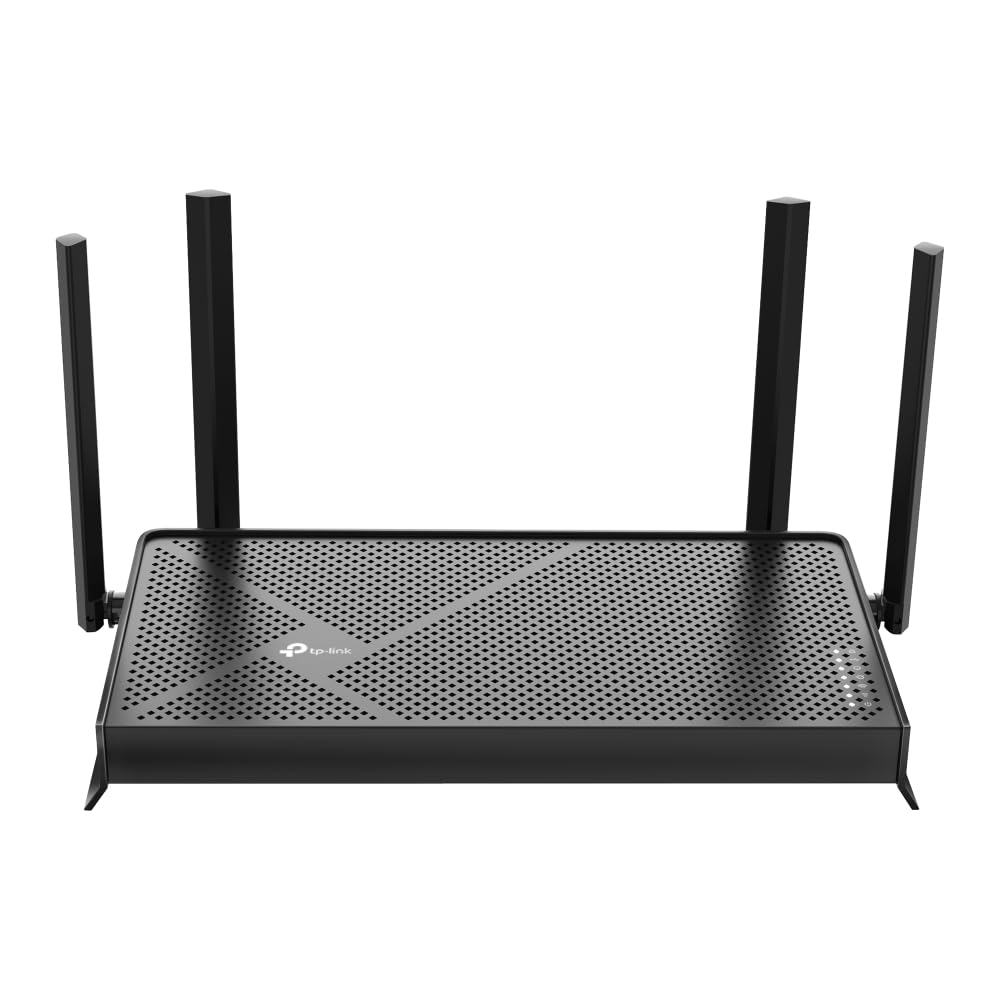
1,000+ ratings
Read Amazon ReviewsTP-Link Archer BE230
Choose the AXE75 if access to a dedicated 6 GHz band is the priority. Consider the BE230 if Wi-Fi 7 features and its specified multi-gig wired ports matter more than 6 GHz access.
- The Archer BE230 is a dual-band Wi-Fi 7 router with up to 2882 Mbps on 5 GHz and 688 Mbps on 2.4 GHz.
- It has two 2.5 Gbps ports, three 1 Gbps LAN ports, USB 3.0, and EasyMesh support; it does not support 6 GHz.
- The Archer AXE75 offers three Wi-Fi bands, including 6 GHz, and OneMesh extender support.
Computer Routers alternative
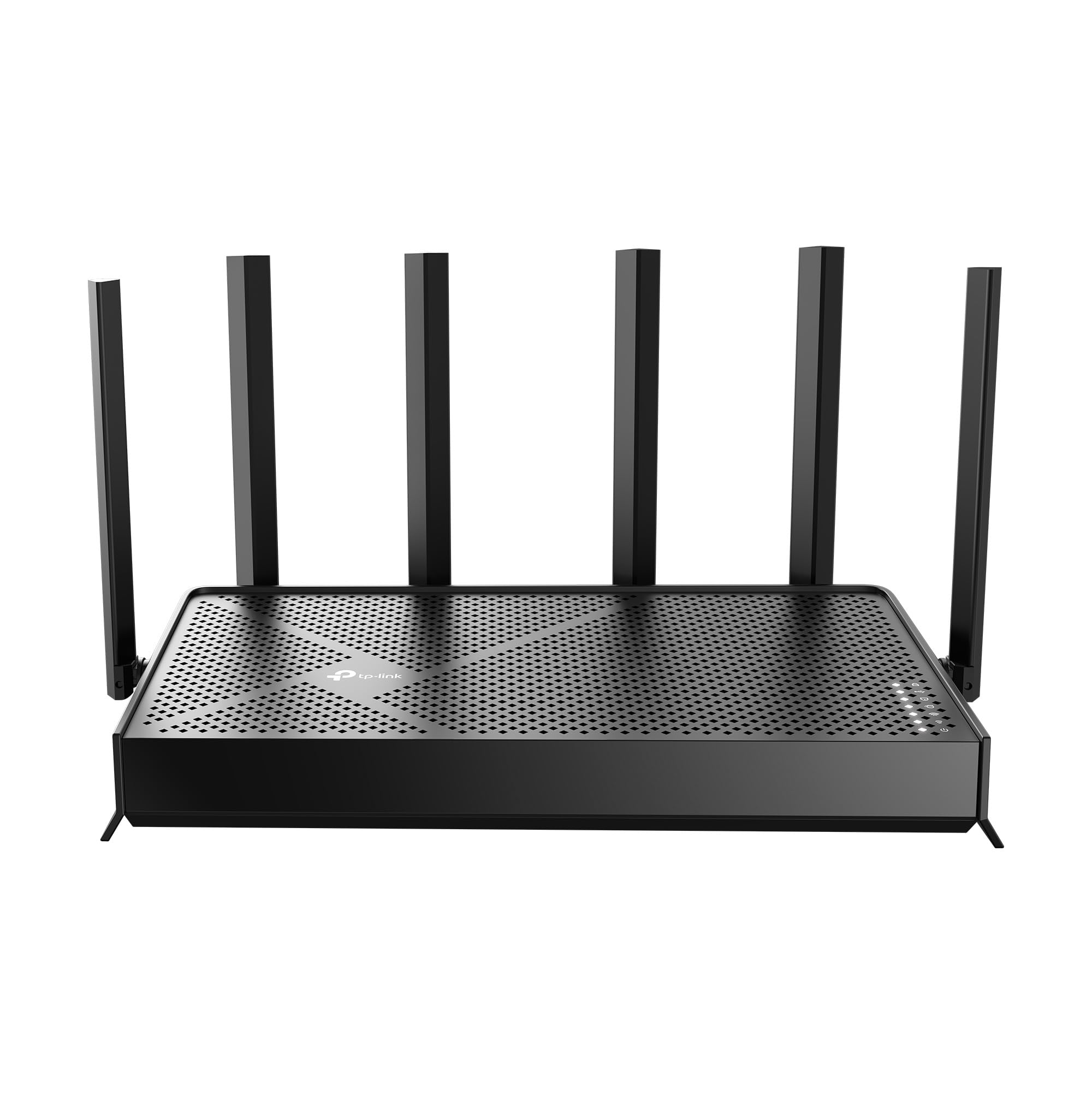
600+ ratings
Read Amazon ReviewsTP-Link Archer BE600
Consider the BE600 if you want Wi-Fi 7, higher listed band maximums, and several multi-gig wired connections. The AXE75 is a more fitting choice if Wi-Fi 6E meets your needs and its three-band design is sufficient.
- The Archer BE600 is a tri-band Wi-Fi 7 router with up to 5765 Mbps on 6 GHz, 2882 Mbps on 5 GHz, and 1032 Mbps on 2.4 GHz.
- Its listed connections include a 10 Gbps WAN/LAN port, a 2.5 Gbps WAN/LAN port, and three 2.5 Gbps LAN ports.
- The Archer AXE75 is a Wi-Fi 6E model with up to 5400 Mbps combined wireless capacity and OneMesh extender support.
Is Archer AXE75 Worth It?
The TP-Link Archer AXE75 is worth considering for a home that can use Wi-Fi 6E and wants tri-band wireless, OFDMA capacity features, VPN options, and an extender-based OneMesh path.
Its appeal rests on the 6 GHz band and the flexibility of its feature set, not on the combined maximum being a guaranteed device speed.
Check device compatibility, coverage needs, and wired-port requirements before buying.
If those fit your setup, the AXE75 is a sensible Wi-Fi 6E candidate; if your devices cannot use 6 GHz or your setup requires specific Ethernet connections, compare the alternatives on those needs.
Your review at a glance
5,000+ ratings
Read Amazon ReviewsTP-Link Archer AXE75
A fit for households seeking tri-band Wi-Fi 6E, a dedicated 6 GHz band, VPN options, and expandable OneMesh coverage.
- Tri-band Wi-Fi 6E with up to 5400 Mbps combined maximum: up to 2402 Mbps on 6 GHz, 2402 Mbps on 5 GHz, and 574 Mbps on 2.4 GHz.
- A new 6 GHz band and 160 MHz channel support are intended to provide additional bandwidth for compatible devices.
- OFDMA and tri-band operation are designed to increase capacity for simultaneous device transmissions.
- A 1.0 GHz dual-core processor and 512 MB of high-speed memory support the router's networking functions.